Narrow stair and parking problems for Lambeth removals solved
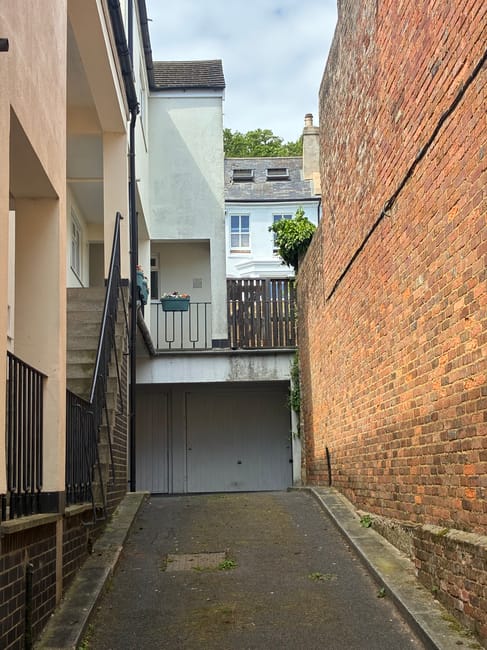
If you've ever tried moving out of a top-floor flat in Lambeth with a tight stairwell outside and no obvious place to stop the van, you already know the real issue is not just lifting boxes. It's the whole chain of awkward little blockers: narrow stairs, awkward landings, restricted parking, busy roads, and timing pressure. This guide to Narrow stair and parking problems for Lambeth removals solved is here to make that chain feel manageable. You'll get practical steps, local know-how, and a clear sense of what actually works on moving day - not theory, not fluff.
Truth be told, many Lambeth moves are perfectly doable once the plan matches the building. That's the bit people often miss. The van size, the route from front door to vehicle, the timing of the parking bay, and the way items are packed all matter just as much as the removal team itself. Below, we'll walk through how to avoid the usual headaches and keep your move calm, safe, and on schedule.
Why Narrow stair and parking problems for Lambeth removals solved Matters
In Lambeth, access issues can be the difference between a smooth move and a day that drags on far longer than anyone planned. Narrow staircases are common in older terraced houses, converted flats, mansion blocks, and some period buildings where the stairwell was never designed for modern furniture. Add limited parking, suspended bays, loading restrictions, or traffic on roads that simply never seem to breathe, and you've got a proper logistical puzzle.
Why does this matter so much? Because access problems affect time, cost, safety, and stress at the same time. A wardrobe that looks fine in your living room may become a three-person problem once it reaches a tight bend on the stairs. A van that can't pause near the entrance may mean extra carrying distance, which sounds small until you're doing it with a sofa at 8:15 on a wet morning. Let's face it, nobody enjoys the sound of cardboard scraping against a bannister.
For residents moving into or out of Lambeth, solving access problems early also helps with neighbour relations. A move that blocks a pavement, hogs a driveway, or runs into the evening can quickly become tense. Planning well keeps everybody happier, including the people doing the lifting. That is worth a lot on moving day.
If you're also sorting a flat move or a larger home move, the broader context matters too. Our flat removals in Lambeth and house removals support are useful starting points when your property type shapes the whole move. And if you want to see the wider service picture first, have a look at the services overview.
How Narrow stair and parking problems for Lambeth removals solved Works
The solution is not one trick. It is a sequence of small, practical decisions that work together. First, the move is assessed for access: stair width, turning points, floor level, parking distance, road restrictions, and whether the van can stop close enough for loading. Then the vehicle and crew are matched to the job. Then packing is adapted so the hardest-to-carry items are handled in the smartest order.
In practice, this usually means a few core moves:
- Survey the access first. Not all "two-bed flat" moves are equal. One may have a wide lift and decent bay parking; another may involve tight stairs and a kerbside stop around the corner.
- Choose the right van and team size. A smaller van can sometimes be easier to position in Lambeth streets than a larger one, especially where parking is tight.
- Pack for carryability. Boxes should be sensible sizes, not heroic ones. Heavy but compact is safer than large and awkward.
- Protect the property. Stair rails, corners, and door frames often need extra care when the route is narrow.
- Book the timing intelligently. Off-peak windows and clearly agreed arrival times reduce the risk of getting stuck behind traffic or parking pressure.
If the move has delivery timing concerns as well, it helps to plan around them. The page on delivery at the best time for you is a good reminder that flexible scheduling can remove a surprising amount of friction. Likewise, when your items are boxed and ready, package your items and wait for us to come makes the workflow feel much simpler. Small things, but they matter.
Here's the short version: access issues are solved by combining planning, packing discipline, the right vehicle, and realistic timing. No mystery. Just good sequencing.
Key Benefits and Practical Advantages
When narrow stair and parking issues are handled properly, the move becomes safer and faster, and usually less expensive in the long run. That sounds obvious, but it is easy to underestimate how much time is lost when a team has to keep adjusting to access problems mid-job.
- Less risk of damage. Fewer awkward turns and fewer forced lifts mean fewer scrapes on furniture and property.
- Less physical strain. A smart route and a sensible carry plan help protect everyone involved.
- Better timekeeping. When access is mapped out beforehand, the job is much easier to schedule realistically.
- Lower stress. You are not improvising on the pavement while neighbours wait and traffic builds.
- More predictable pricing. Jobs with known access challenges can be priced more fairly when the details are clear from the start.
There's another benefit people don't always talk about: confidence. Once you know the stairwell has been measured and the parking plan is sorted, the move stops feeling like a gamble. You can focus on the actual transition - keys, utilities, final checks, all the little life admin bits that come with changing place.
Expert summary: In Lambeth, the best removal plan is often the one that respects the building before it touches the van. Measure access, plan parking, pack sensibly, and keep the route simple. That's the heart of it.
Who This Is For and When It Makes Sense
This approach makes sense for anyone moving in Lambeth where the property or street layout creates extra friction. That includes renters in split-level flats, owners in older converted properties, students moving into compact rooms, and families leaving terraced homes with awkward staircases. It also applies to people moving office items, heavy furniture, or delicate specialist pieces.
It's especially useful if:
- your staircase is narrow, steep, or turns sharply midway;
- the front entrance is set back from the road;
- parking is permit-controlled, shared, or usually busy;
- you are in a flat above ground level without a practical lift;
- you have bulky items such as wardrobes, mattresses, or white goods;
- the move is time-sensitive, such as a same-day handover or end-of-tenancy deadline.
If you are moving with limited help, this becomes even more relevant. A person can carry one box at a time all day, sure, but a sofa on a narrow staircase is another matter. If that sounds familiar, you may want to review man with van support in Lambeth or the broader removal services in Lambeth options, depending on how much help you need.
For students, short-notice moves are a common story. For landlords and buyers, access often comes up when keys finally change hands and the building proves less straightforward than it looked online. For office moves, access can be even more frustrating because timings are tighter and elevators are often shared. Different scenario, same headache.
Step-by-Step Guidance
Here's a practical way to deal with narrow stair and parking problems without overcomplicating things. It's not glamorous, but it works.
- Check the stairs and route. Measure the narrowest point if you can. Look at turns, landings, ceiling height, and door swing. If a bed frame or wardrobe needs to be dismantled, note that early.
- Confirm parking reality, not parking hope. Decide where the van can actually stop. If loading needs a bay, walkway, or permit area, plan that before the day. Guessing rarely helps.
- List the awkward items. Sofas, wardrobes, mirrors, pianos, and large tables should be identified early. These are the items most likely to affect the plan.
- Pack with carrying in mind. Use smaller boxes for heavy contents. Label fragile items clearly. Keep stair-sensitive items easy to grab and easy to rotate.
- Prepare the property. Clear the hallway, protect floors if needed, and make sure pets, children, and extra clutter are out of the way.
- Decide the order of loading. Put the hardest items near the door first if access is the real issue. Don't bury the awkward sofa behind twenty boxes.
- Set a realistic time window. Leave some breathing space. Tight schedules and difficult access are not great friends, to be fair.
- Keep communication open. If parking changes or the route is blocked, say so quickly. A five-minute update can save twenty minutes of wandering about.
A useful extra step is to use local move guidance if your postcode area is particularly busy or access-heavy. For example, if you're moving near Waterloo, the article on man and van services near Waterloo Station gives helpful context about tight central-London logistics. If your move is more about flat access in a busier market area, the tips in Brixton Market flat removals are also worth reading.
Little detail, big impact. That's the pattern here.
Expert Tips for Better Results
In our experience, the best access solutions are the ones that make the loading route feel boring. Boring is good. Boring means predictable.
1. Use smaller boxes for heavy items
This one sounds basic, but it saves a lot of trouble. A small box full of books is far easier to manage on a tight stair turn than a huge box that needs two people and a prayer. Keep it human-sized, not warehouse-sized.
2. Dismantle furniture before it becomes a problem
If a bed frame, shelving unit, or dining table can be disassembled safely, do it. A piece that is 10cm too long can become a complete nightmare on a turn. Furniture removals are often won or lost at this point, which is why the team on furniture removals in Lambeth can be particularly helpful when awkward pieces are involved.
3. Don't rely on the van being able to "just pull up"
That phrase causes more grief than people realise. In Lambeth, street parking availability changes quickly. A van stop that looks simple on paper may not be there when the crew arrives. Always have a backup plan.
4. Keep the stair route clear before anyone arrives
Removing shoes, coats, bags, child toys, and odd bits of hallway clutter makes a bigger difference than most people expect. A clear route reduces trip risk and speeds everything up.
5. Think about the weather
Rain changes everything. Wet steps, slippery entrances, and damp cardboard are not your friends. A move that starts on a grey London morning can become awkward very quickly, especially if the building entrance is exposed.
6. Ask about insurance and handling standards
If you are moving items that are expensive, fragile, or sentimental, sensible handling matters. It is worth understanding the provider's approach to protection and cover. The page on insurance and safety is relevant here, as is the health and safety policy if you want to see how care is handled in practice.
Common Mistakes to Avoid
Most access headaches are avoidable. Not all of them, but enough to make a real difference.
- Assuming the stairs will be fine. Many people only realise the problem once the large items are already halfway out of the room.
- Ignoring parking restrictions. A no-stopping stretch or permit-controlled bay can throw off the whole day.
- Overpacking boxes. Heavy boxes on narrow stairs are slow, risky, and unpleasant.
- Leaving bulky items assembled. If a wardrobe can come apart, it usually should.
- Booking too tight a slot. Difficult access needs breathing room. Rushing is where damage happens.
- Not telling the team about site constraints. If there is a steep staircase, awkward basement entrance, or loading challenge, say it early.
One common mistake deserves its own mention: failing to budget for the real access effort. That can lead to surprise charges or a day that feels more expensive than expected. If you want a clearer view of common pricing pitfalls, the article on avoiding hidden removal costs in Lambeth is a practical read. And if you're trying to keep the move affordable, the guide on cheap removals and common booking mistakes is worth a look too.
Tools, Resources and Recommendations
You do not need a van full of gadgets. But a few simple tools help a lot when access is tight.
- Measuring tape. Good for stair widths, furniture dimensions, and tricky doorways.
- Furniture blankets and wraps. Useful for protecting corners and bannisters.
- Sturdy boxes. Especially important for stackability and easy carrying.
- Labels and marker pens. They reduce stop-start confusion during loading.
- Gloves with grip. Helpful when carrying items through narrow stairwells or damp entrances.
- Easy-open tool kit. For dismantling beds, tables, and other manageable furniture.
There are also a few service pages that help you match the job to the right level of support. For bigger household moves, house removals in Lambeth may fit better. For faster, lighter jobs, man and van in Lambeth or man and a van in Lambeth may be enough. If you are not sure which route suits your move, the removal companies in Lambeth page can help you compare the broader picture.
If you're in the planning stage, also consider storage. Sometimes the smartest move is not "everything in one day" but "some items now, some items later". That is especially helpful when the new place is not quite ready or the access is just too tight for a full-scale unload. In those cases, storage in Lambeth can be a useful pressure release valve.
Law, Compliance, Standards, or Best Practice
This topic touches on practical safety and road use, so a careful approach matters. In the UK, moving activities should respect local parking rules, loading restrictions, and safe handling practices. Exact arrangements can vary by street and council area, so it's sensible to check the relevant local rules in advance rather than assume loading is allowed just because the road looks quiet.
Best practice also means reducing risk to people and property. That includes keeping stair routes clear, using suitable lifting techniques, avoiding unstable loads, and not attempting to force oversized items through spaces that are clearly too small. If an item cannot safely fit, it should be dismantled, moved differently, or taken by a more appropriate route. Sounds obvious, but in the middle of a move, people sometimes try to muscle through. Bad idea.
It also helps to work with providers who set out clear terms, payment expectations, and complaint routes. That's not just admin; it's part of a trustworthy service. You can review terms and conditions, payment and security, and the complaints procedure if you want to understand how these pieces fit together. For privacy handling, privacy policy and cookie policy are there too, though those are less about lifting boxes and more about trust and transparency.
And yes, sustainability matters as well. Moving generates waste if people are careless. Reusing packaging, planning fewer trips where possible, and disposing of unwanted items responsibly are all part of good practice. See the recycling and sustainability page for the company's approach.
Options, Methods, or Comparison Table
Different access problems call for different approaches. Here's a simple comparison to help you think clearly.
| Method | Best for | Strengths | Watch-outs |
|---|---|---|---|
| Standard van with two-person crew | Smaller flat moves, manageable stairs | Flexible, efficient, often cost-effective | May struggle with very bulky items or long carries |
| Man and van with careful pre-planning | Light-to-medium loads, tighter streets | Good for access-limited Lambeth roads | Requires accurate item lists and timing |
| Full removals service | Family homes, larger inventories, fragile items | Better for complex or heavy moves | More coordination needed; not always necessary for small jobs |
| Staged move plus storage | Delayed completion, awkward access, downsizing | Reduces pressure on the main moving day | Needs extra organisation and planning |
A useful way to decide is to ask two questions: how hard is the stair route, and how much parking certainty do I really have? If the answer to both is "not much", you probably want a more flexible, carefully managed approach rather than a brute-force one. That's the honest answer. Sometimes simple wins.
Case Study or Real-World Example
Here's a realistic Lambeth-style scenario. A couple moving out of a third-floor flat near a busy high street had one main problem: the stairwell was narrow and curved, and the nearest sensible stop for the van was not directly outside the building. They also had a sofa, a mattress, a tall bookcase, and a few heavy boxes packed far too ambitiously. Classic.
Instead of trying to force everything into one rushed lift, the move was broken into a simple order. First, the route was cleared. Then the light but bulky items were moved in a way that kept the staircase open. The sofa was checked against the turns before anyone committed to carrying it. The bookcase was dismantled. The heaviest boxes were repacked into smaller ones. Parking was handled with a careful arrival window so the van didn't lose time circling.
The result? Fewer awkward pauses, less strain on the crew, and no damage to the stair rails or door frames. The move still took effort - of course it did - but it felt controlled rather than chaotic. That is usually the difference between a bad day and a merely busy one.
That kind of planning also suits people moving to or from streets with busy traffic flow or a lot of passing footfall. If the area feels especially dense or timing-sensitive, local advice such as the moving to Lambeth Palace area tips can help you think through access before moving day.
Practical Checklist
Use this checklist a day or two before the move. It keeps things grounded.
- Measure the narrowest stair and doorway points.
- Confirm whether furniture needs dismantling.
- List all bulky or fragile items.
- Check parking rules, permit needs, and likely loading spots.
- Make sure boxes are not overfilled.
- Keep important tools ready for quick access.
- Clear hallways, landings, and entrance routes.
- Protect floors and corners where needed.
- Agree the moving window and any arrival flexibility.
- Tell the removal team about anything unusual: steep stairs, no lift, awkward kerb access, or restricted loading.
- Have a backup plan for parking or an unexpected delay.
- Keep keys, documents, and essentials separate from the main load.
If you want to move from planning into action, it can help to start with a quick enquiry through the contact page. A short conversation often clears up more than a long round of guessing ever could.
Conclusion
Narrow staircases and tricky parking do not have to turn a Lambeth move into a headache. Once you match the move plan to the building, the street, and the furniture, most of the stress drops away. That is the heart of it. Measure early, pack sensibly, plan the van access properly, and be honest about the awkward bits before moving day arrives.
The strongest moves are rarely the ones that look dramatic. They're the ones that feel calm, even in a busy London street with a lot going on. A good plan, a practical route, and the right support can make a very real difference. And if your move needs a bit more thought than usual, that's perfectly normal.
Get a free quote today and see how much you can save.
Sometimes the easiest move is the one that was carefully prepared the day before.
Frequently Asked Questions
How do you move furniture up narrow stairs without damage?
The main trick is preparation. Measure the route, dismantle what can be dismantled, protect corners and bannisters, and choose smaller carrying loads. If a piece clearly won't turn safely, do not force it.
What if the van cannot park near my Lambeth flat?
That is common in busy parts of Lambeth. The move can still work, but the team may need to carry items a longer distance. It helps to confirm the nearest legal stopping point in advance and allow extra time.
Are narrow stair removals more expensive?
They can be, depending on how much extra time, labour, and planning is required. The safest way to manage cost is to give clear access details before booking so the quote reflects reality, not guesswork.
Can a man and van service handle parking problems?
Yes, often it can, especially for smaller or medium-sized jobs. The key is whether the vehicle can reasonably stop, load, and leave without repeated delays. Good planning matters more than just the size of the vehicle.
What should I tell the removal team before moving day?
Tell them about stair width, floor level, lifts, parking restrictions, heavy furniture, and any awkward access points. The more honest the description, the better the plan.
Is it better to move early in the morning in Lambeth?
Often, yes, because traffic and parking pressure can be easier early in the day. That said, the best time depends on the street, the building, and any access restrictions. Flexible scheduling is usually a plus.
How should I pack for a flat with a tight staircase?
Use smaller, manageable boxes and avoid overfilling them. Label fragile items clearly. Keep the heaviest things in the easiest-to-carry boxes, not the largest ones. It sounds fussy, but it saves a lot of pain.
Do I need to dismantle my wardrobe or bed?
If it will not safely clear the stairs or doorway, yes, probably. A quick dismantle can prevent damage and save time. If you are not sure, measure before moving day and decide early.
What if parking changes on the day of the move?
Have a backup plan. Moves in London often require flexibility because bays, traffic, or local access can change. Keep the team updated quickly so they can adapt instead of waiting around.
Are there special considerations for student moves in Lambeth?
Definitely. Student moves often happen in tight time windows, with small lifts, shared entrances, and very little parking certainty. A compact, well-packed move works best, and short notice can be handled more easily with the right planning. You might also find student removals in Lambeth useful.
What is the best option for bulky items like pianos or large sofas?
Specialist handling is usually the safest route. Bulky or delicate items often need more than standard carrying technique, especially where stairs are narrow or turns are tight. For especially heavy or awkward pieces, look at piano removals in Lambeth or ask about the most suitable moving method.
How can I keep my move calm when access is awkward?
Keep the plan simple, start early, and do not overload the schedule. A clear stair route, realistic parking plan, and sensible packing decisions usually make the biggest difference. Calm often comes from removing small uncertainties before they become big ones.