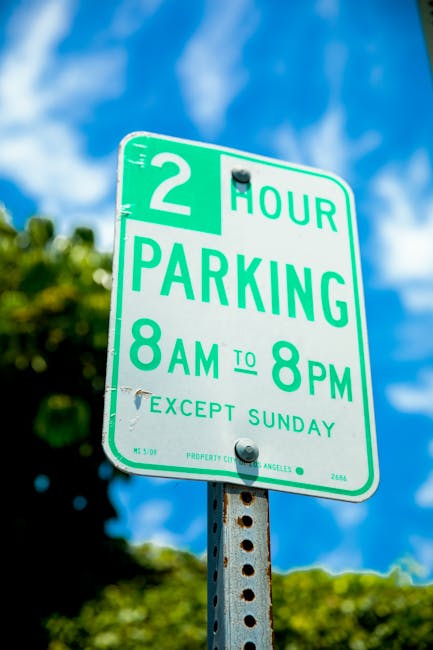
Lambeth Council parking permits for removals explained
If you are moving house, shifting furniture, or booking a van in Lambeth, parking is usually the bit that causes the most stress. Not the sofa. Not the stairs. Parking. And if you have ever watched a removal vehicle circle a narrow street while everyone checks their watch, you will know exactly why Lambeth Council parking permits for removals explained matters so much. The right permit or parking arrangement can save time, reduce hassle, and help your move stay on the right side of council rules.
This guide breaks the topic down in plain English. You will learn why parking permission matters, how removals parking usually works in practice, what mistakes people make, and how to plan a move without turning it into a last-minute scramble. I will also flag the questions that really matter on moving day: do you need permission, how early should you check, and what happens if the street is busy or controlled. Let's keep it practical.
Why Lambeth Council parking permits for removals explained Matters
A removal van needs space, and Lambeth does not always make that easy. Between controlled parking zones, yellow lines, resident bays, narrow streets, and the simple reality of London traffic, a few minutes of poor planning can ripple through the whole day. If the vehicle cannot stop close enough, every box becomes heavier. Every trip gets longer. And the mood changes quickly.
That is why parking permission is not a side issue. It is part of the moving plan. For many households, the parking arrangement affects:
- how close the van can get to the property
- how long loading and unloading takes
- whether the driver can stop safely and legally
- the risk of delays, congestion, or enforcement action
- how much lifting is needed by you or the removal team
In practice, the less time spent improvising at the kerb, the smoother the move feels. To be fair, that is true for most Lambeth addresses, but especially for flats, terraced streets, and roads with heavy daytime parking pressure. If your move involves a larger load, you may also want to look at broader help such as removal services in Lambeth or a more focused option like man with van support in Lambeth where the parking plan can be built around the vehicle type and access needs.
How Lambeth Council parking permits for removals explained Works
The exact process can vary depending on the street, the bay type, and the time of day, so it is best to think in terms of local parking control rather than assuming one universal rule. In simple terms, a removal job may need one of the following: a temporary parking dispensation, a suspension of a bay, or a lawful space already available without special permission. The right option depends on where the vehicle will stop and for how long.
Here is the basic pattern most people run into:
- You check the street outside the property and note the parking restrictions.
- You work out whether the vehicle can legally wait, load, or unload there.
- If not, you look at the parking permission route that applies to the road or bay.
- You submit the request with enough lead time.
- You confirm the final arrangement before moving day.
That sounds tidy on paper. Real life is usually messier. Maybe the lift breaks at the flat. Maybe the street is busier than expected. Maybe your belongings are ready, but the van is blocked by a delivery truck. The point is not perfection. The point is to reduce surprises.
One useful approach is to plan the move alongside your packing timeline. If you are still sorting boxes the night before, parking will become just another thing to rush. If you prefer a more structured approach, services such as package your items and wait for us to come can help keep the day organised, while delivery at the best time for you can be useful when the move has to fit around a narrow time window.
What removals parking usually tries to achieve
The goal is straightforward: give the van enough room to stop safely, keep the route to the property short, and avoid blocking traffic or breaching restrictions. In some roads, that means a formal booking or suspension. In others, it may simply mean choosing a time when a legal loading space is realistically available. The trick is matching the plan to the street, not the other way round.
For moves involving heavier furniture, fragile items, or awkward access, parking decisions matter even more. A cleaner parking plan often means fewer handling risks, especially when the job includes items like wardrobes, pianos, or bulky sofas. If that sounds familiar, it can help to look at specialist support such as furniture removals in Lambeth or piano removals in Lambeth.
Key Benefits and Practical Advantages
Getting the parking side of a removal right is not glamorous, but it pays off quickly. The biggest advantage is simple: a smoother move. You also reduce the chance of avoidable costs, stress, and wasted time. And yes, on moving day, time matters more than you think. Ten extra minutes here, fifteen there, and suddenly your whole schedule starts wobbling.
- Less walking distance: fewer trips between the front door and the van.
- Faster loading: the crew can work more efficiently when the vehicle is close by.
- Lower risk of damage: shorter carrying distances usually mean fewer bumps and fewer slips.
- Better traffic flow: no one wants a van idling awkwardly in a tight road.
- More predictable timing: helpful if you have key handover deadlines or building access slots.
There is also a quieter benefit: confidence. Once the parking piece is sorted, you stop second-guessing the move. That alone can make the day feel more manageable. If you are comparing moving options, it is often worth reading about man and van services in Lambeth alongside removals in Lambeth so you can match the service level to the property, the street, and the load.
Who This Is For and When It Makes Sense
This is not just for big house moves. Plenty of smaller jobs benefit from parking planning too. If your property sits on a busy road, you are on a housing estate with controlled bays, or you are moving from a flat with limited access, parking permission or parking strategy may be one of the first things to sort out.
It makes particular sense if you are:
- moving from a flat or maisonette on a tight residential street
- using a larger van for a full household move
- moving office equipment or bulky commercial items
- collecting storage items that need quick loading
- working to a same-day deadline or key exchange window
Students moving in or out around term time can also run into parking pressure, especially in busier parts of Lambeth. If that is your situation, student removals in Lambeth is worth considering. For flat moves, the mix of stairs, door access, and road restrictions can make a surprisingly big difference, so flat removals in Lambeth is another useful page to explore.
And for the office crowd? A van with parking sorted before the first box leaves the desk is worth its weight in coffee. Office removals in Lambeth usually need a little more planning than people expect.
Step-by-Step Guidance
Here is a clean way to handle the parking side without overcomplicating it.
- Check the street outside both properties. Look for yellow lines, bay markings, and signs showing hours of control.
- Measure the practical access. Can a van stop safely? Is there room for doors to open? Will the route to the property be blocked by railings, bins, or parked cars?
- Identify whether a permit or dispensation is needed. If there is no lawful stopping space, do not assume you can "just be quick". Councils tend not to love that plan. Fair enough.
- Match the vehicle to the street. Sometimes a smaller vehicle is the smarter choice, particularly on narrower roads.
- Confirm the moving time. A quieter time of day can make a big difference, especially around schools, markets, and commuter routes.
- Keep evidence and confirmation details together. Save reference numbers or written confirmations so no one is digging through emails on the day.
- Recheck the arrangement shortly before the move. Street conditions can change. Temporary works, event parking, or a neighbour's skip can alter the picture fast.
If your move is happening at short notice, a more responsive option like same day removals in Lambeth may help, but only if the parking and access questions are settled quickly. Speed is useful; speed without planning is just a nicer-looking panic.
A quick way to think about the decision
Ask yourself three questions: Can the van stop legally? Can the load be moved safely from that spot? And can the move still finish on schedule if the street is busier than expected? If the answer to any of those is no, parking needs more attention.
Expert Tips for Better Results
The best removals in Lambeth usually start before the boxes are ready. Here are a few practical habits that make parking easier and the day calmer.
- Build the parking plan into the booking. Do not leave it until the week of the move.
- Share access details early. Narrow staircases, resident-only bays, and timed restrictions are not small details.
- Choose the right vehicle size. A smaller van can sometimes save more time than a bigger one if parking is tight.
- Keep the loading route clear. Ask neighbours, family, or building managers to help keep doorways and communal spaces open where possible.
- Use packing discipline. Well-packed boxes are quicker to move and easier to stack at the kerb.
We also see a lot of moves where the parking issue is really an access issue in disguise. If the lift is small, the stairs are awkward, or the front path is uneven, the park-and-load plan must reflect that. For more practical context, the guide on narrow stair and parking problems for Lambeth removals is a useful read.
Another good habit: prepare a final "move folder" with confirmations, keys, contact numbers, and any notes about parking or access. It sounds slightly old-school, but on a busy morning, old-school works. Papers in one place. Less faff.
Common Mistakes to Avoid
Most parking problems on removal day are predictable. That is the annoying part. The encouraging part is that they are also avoidable.
- Leaving parking until the day before. By then, your options may be much tighter.
- Assuming loading is always allowed. In controlled streets, the rules can be more specific than people realise.
- Booking a van that is too large for the road. Bigger is not always better in Lambeth.
- Forgetting about timing restrictions. A legal bay in the morning may be a bad fit later in the day.
- Not telling the remover about access issues. If the team turns up without the full picture, everyone loses time.
- Ignoring building rules. Private estates and blocks can have their own loading policies on top of the council's rules.
Another common one is cost drift. If parking is awkward, the move can take longer than expected, and that can feed into the final bill depending on how the job is priced. That is why guides like avoid hidden removal costs in Lambeth are worth a look before you commit. A little clarity upfront often saves a noisy conversation later.
Tools, Resources and Recommendations
You do not need a pile of complicated tools to get this right. A few simple things are enough:
- a street view of the property access, either in person or from memory
- photos of the road signs and bay markings
- the move date, time, and expected loading window
- notes on the vehicle size and whether a lift or stairs are involved
- confirmation details for parking arrangements, if any
If you are comparing moving help, it is sensible to look at a wider service overview first. The page on services overview is a useful starting point because it gives context for the different types of support available. For budget planning, pricing and quotes can help you understand how parking, access, and timing may influence the overall job.
If you are more concerned about item protection than parking, the packing-related pages are helpful too. You might find packing and boxes in Lambeth and insurance and safety worth bookmarking alongside your move plan.
Law, Compliance, Standards, or Best Practice
Parking around removals is not just a convenience issue. It can involve compliance with local parking rules, building policies, and safe loading expectations. The exact obligations depend on the street, the bay type, and any site-specific conditions. So the safest approach is always to check the local rules that apply to your address rather than guessing based on a similar road nearby.
Best practice in this area usually means:
- parking only where permitted
- allowing enough time for loading without blocking access
- making sure the vehicle does not create avoidable hazards for pedestrians, cyclists, or other road users
- keeping to the agreed move window
- following any building, estate, or concierge requirements that apply
From a moving-company perspective, safe working matters too. A proper move should respect manual handling principles, vehicle safety, and clear communication between the driver and the client. If that sounds a bit formal, fair enough. The real-world version is simpler: don't make people carry a wardrobe across half of Lambeth because the van was parked badly.
For extra reassurance, some readers like to review policy pages before booking, especially if they want a sense of operating standards. Useful reads include health and safety policy, terms and conditions, and privacy policy.
Options, Methods, or Comparison Table
Different streets call for different parking approaches. Here is a simple comparison that helps people choose the right path.
| Option | Best for | Strengths | Things to watch |
|---|---|---|---|
| Pre-arranged parking permission | Controlled roads, busy streets, larger moves | More certainty, better loading position, less rushing | Needs planning and confirmation in advance |
| Short-term legal loading space | Quieter roads with suitable stopping areas | Simple, fast, often low hassle | May not work in peak hours or congested streets |
| Smaller vehicle choice | Narrow roads or awkward access | Easier to position, often quicker in tight areas | May need more trips if the load is large |
| Timed move window | Blocks, estates, or streets with rush-hour pressure | Better chance of legal stopping and less interference | Less flexible if your handover timing changes |
For many Lambeth residents, the smart answer is a mix of methods. A good-sized van, a sensible time slot, and a properly checked loading spot often beat a more complicated setup. It is not fancy. It just works.
Case Study or Real-World Example
Imagine a couple moving from a second-floor flat near a busy stretch of road in Lambeth. They have a sofa, a bed frame, boxes of kitchen items, and a couple of heavy bookcases. There is parking on the street, but only at certain times, and the road gets busier after breakfast. At first, they think they can simply "wing it" and have the van stop for a few minutes outside.
That sounds harmless. Until the morning arrives.
Without a parking plan, the van may end up several doors away, the carry distance gets longer, and the team spends more time weaving around bins and parked cars. The move still gets done, but everyone feels the drag. By contrast, if they had checked the access properly, selected a suitable vehicle, and timed the arrival to match the road conditions, the day would likely have felt calmer and faster.
That is the real lesson. The parking arrangement is not paperwork for the sake of paperwork. It is part of the moving method. And for flat moves especially, a better parking plan can make the whole job feel lighter. Not literally, obviously, but you get the idea.
If you are relocating near a busy transport corridor, you may also find the local advice in best man and van services near Waterloo Station useful, because the same principle applies: tight streets reward proper planning.
Practical Checklist
Use this before moving day. It is simple, but it catches a lot of avoidable issues.
- Confirm the move date and loading window
- Check the parking restrictions on both streets
- Note any resident bays, yellow lines, or time limits
- Find out whether permission or dispensation is needed
- Tell the removal team about stairs, lifts, and access routes
- Choose a vehicle size that suits the street as well as the load
- Keep keys, confirmations, and contact details in one place
- Clear the hallway and entrance before the van arrives
- Protect fragile items and label boxes clearly
- Have a backup plan if the road is occupied on arrival
Expert summary: parking for removals in Lambeth is usually about preparation, not luck. The more clearly you match the vehicle, timing, and access conditions to the street, the smoother the move tends to be. Simple, really. Not easy every time, but simple.
Conclusion
Lambeth Council parking permits for removals explained comes down to one core idea: do not treat parking as an afterthought. In a borough where streets can be tight and rules can vary from one road to the next, the move works better when parking, access, and timing are planned together. That planning protects your schedule, reduces stress, and helps the whole job feel more controlled.
Whether you are moving from a flat, a house, or an office, the same rule applies: check the street, choose the right vehicle, and confirm the details early. That is how you turn a potentially awkward day into a manageable one. And honestly, manageable is a very good place to be on moving day.
If you want help working out the practical side of your move, from vehicle choice to access planning, take a look at the relevant service pages and book a slot that suits your schedule.
Get a free quote today and see how much you can save.
Frequently Asked Questions
Do I always need a parking permit for removals in Lambeth?
Not always. It depends on the street, the restrictions in place, and whether the vehicle can lawfully stop for loading. Some moves only need a carefully chosen time and space, while others need formal parking permission.
What is the difference between a parking permit and a parking suspension?
In plain terms, a permit or dispensation can allow certain loading activity, while a suspension is usually about temporarily removing normal parking rights from a specific bay. The right option depends on the street and the type of space involved.
How far in advance should I sort out removals parking?
As early as possible. Parking is one of those things that feels easy until the road gets busy or the date gets close. A little lead time gives you more room to adjust if the plan changes.
Can a removal van stop on yellow lines while I load?
Not automatically. This is where people get caught out. Loading rules can be specific, and what is acceptable in one place may not be acceptable in another. Always check the local restrictions before relying on that assumption.
What if my street is too narrow for a larger van?
Then a smaller vehicle, a different time slot, or a more structured parking arrangement may be better. Narrow streets are common in Lambeth, so it often makes sense to think about road access before you think about box counts.
Do flats and maisonettes create more parking problems than houses?
Often yes, because access is usually tighter and the loading distance can be longer. Shared entrances, controlled bays, and stair-heavy buildings can make parking planning more important than people first expect.
How can I reduce the time the van needs to stay outside?
Pack efficiently, label boxes clearly, clear the route from the property to the van, and keep fragile items together. Good preparation means less standing around and fewer awkward pauses in the hallway.
What should I tell the removal company before moving day?
Tell them about parking restrictions, access issues, stairs, lifts, timing limits, and any building rules. The more complete the picture, the better they can plan the vehicle and the arrival time.
What happens if parking is already taken when the van arrives?
That is where a backup plan matters. A nearby legal loading area, a shorter arrival window, or a smaller vehicle can help. Without a backup, the job can quickly become slow and frustrating.
Are same-day removals a bad idea if parking is complicated?
Not necessarily, but they are less forgiving. If the parking and access picture is uncertain, same-day jobs can become tight. That is why quick-moving services should still be paired with careful parking checks.
Can parking problems affect the cost of a move?
Yes, they can. If access is difficult or the job takes longer than expected, the final cost may be affected depending on how the service is priced. It is one reason people should ask clear questions before booking.
What is the safest first step if I am unsure about parking rules?
Check the street signs, note the bay markings, and speak with the mover before the day arrives. If you are still unsure, choose the more cautious route. In removals, a cautious minute is often worth more than a rushed hour.
Where can I get help planning the move itself?
Start with the service pages that match your move type, then check the pricing and access guidance. If you need a broader view of the options available, services overview is a sensible place to begin, and if you are ready to discuss the job directly, contact the team.
Is there a best time of day for removals in Lambeth?
Often there is, but it depends on the street. Quieter periods can make parking and loading easier. The best time is the one that works with both the road conditions and your building access, not just your diary.